No products in the cart.
Return To ShopPrice Comparison Skills Among Children
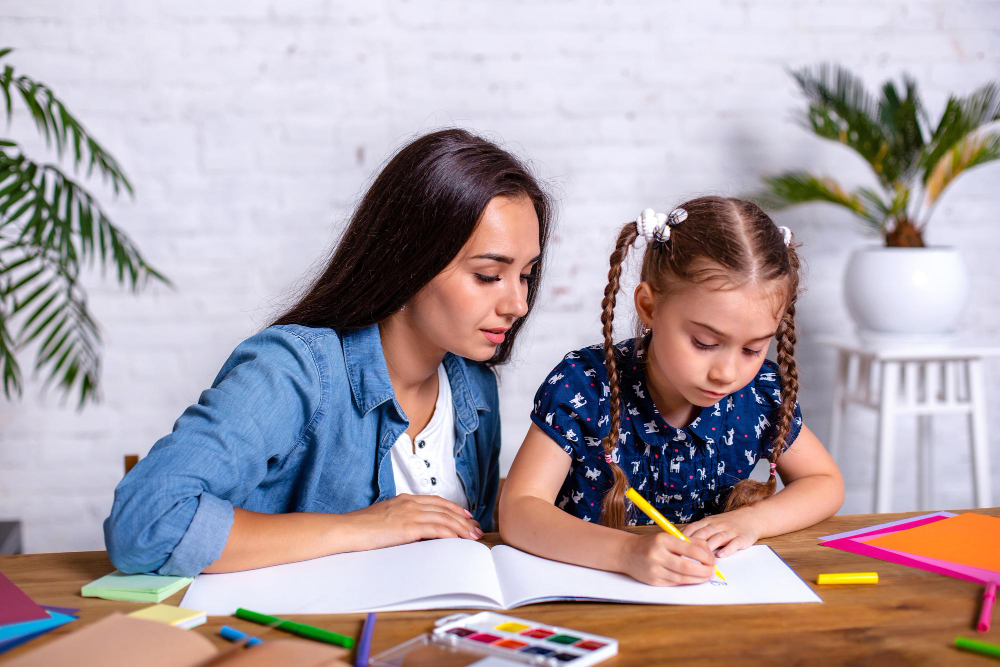
Price comparison skills refer to the ability to evaluate the cost of similar goods or services in order to make the best purchasing decision. For children, developing this skill is an important part of financial literacy, as it helps them understand the value of money and make informed choices when spending.
In today’s consumer-driven society, children are constantly exposed to products through advertisements, social media, and peer influence. Without proper guidance, they may focus only on desire rather than value. Therefore, teaching children how to compare prices is essential in helping them become smart and responsible consumers.
Understanding Price Comparison Skills
Price comparison involves looking at different options for the same or similar products and deciding which offers the best value. It is not only about choosing the cheapest item but also considering quality, quantity, and usefulness.
For example, a child choosing between two snacks may learn to compare:
- The price
- The size or quantity
- The quality or brand
This simple process helps children develop critical thinking and decision-making skills.
Importance of Price Comparison Skills in Children
1. Promotes Wise Spending
Children who learn to compare prices are less likely to spend money impulsively. They begin to think before buying and consider whether a product is worth its price.
2. Develops Critical Thinking
Price comparison encourages children to analyze options and make logical decisions rather than emotional ones.
3. Encourages Value Awareness
Children understand that higher price does not always mean better quality, and cheaper items are not always the best choice.
4. Builds Financial Responsibility
By comparing prices, children learn to manage limited resources effectively, which is an important life skill.
5. Reduces Wasteful Spending
Children become more cautious about unnecessary purchases, helping them save money.
Factors Influencing Children’s Price Comparison Skills
Several factors affect how well children develop price comparison skills:
- Parental Guidance: Children learn by observing how parents shop and make financial decisions.
- Age and Cognitive Development: Older children tend to understand price differences better than younger ones.
- Exposure to Money: Children who handle money regularly are more likely to develop these skills.
- Advertising and Peer Influence: These can distract children from making rational price comparisons.
Ways to Teach Price Comparison Skills to Children
1. Involve Children in Shopping
Parents can take children along when shopping and ask them to compare prices of similar items.
2. Teach Needs vs Wants
Helping children distinguish between essential and non-essential items improves their decision-making.
3. Use Real-Life Examples
Simple situations, such as choosing between two brands of biscuits, can help children practice comparison.
4. Encourage Budgeting
Giving children a small amount of money and asking them to plan their spending helps reinforce price comparison.
5. Use Games and Activities
Interactive games can make learning about price comparison fun and engaging.
Challenges in Developing Price Comparison Skills
Despite its importance, some challenges may affect children’s ability to develop these skills:
- Attraction to colorful packaging and branding
- Influence of friends and trends
- Limited understanding of value and quality
- Lack of financial education at home or school
Addressing these challenges requires consistent guidance from both parents and teachers.
Final Thought
Price comparison skills are an essential component of financial literacy among children. These skills enable children to make informed purchasing decisions, avoid unnecessary spending, and understand the true value of money. By teaching children how to compare prices early in life, parents and educators can help them develop responsible financial habits that will benefit them in the future.
Incorporating simple practices such as involving children in shopping and teaching them how to evaluate options can go a long way in shaping their financial behavior. Ultimately, children who develop strong price comparison skills are better prepared to become smart and responsible consumers.