No products in the cart.
Return To ShopPractical Money Management Skills for Pupils
Money is a part of everyday life, and learning how to manage it effectively is an essential life skill. For pupils, developing practical money management skills at an early age helps them build responsible financial habits that can last a lifetime. These skills include saving, budgeting, spending wisely, and making informed financial decisions. When pupils are equipped with these abilities, they are better prepared to handle financial responsibilities in the future.
Understanding Money Management
Money management refers to the ability to plan and control how money is earned, spent, and saved. For pupils, it involves simple but important practices such as keeping track of pocket money, saving for future needs, and avoiding unnecessary spending. Learning these basic concepts early helps pupils understand the value of money and how to use it wisely.
Key Money Management Skills for Pupils
1. Saving Skills
Saving is one of the most important financial habits pupils can develop. Pupils can be encouraged to set aside a portion of their pocket money regularly. This teaches discipline and patience, especially when saving for a specific goal such as buying books, toys, or school materials.
2. Budgeting Skills
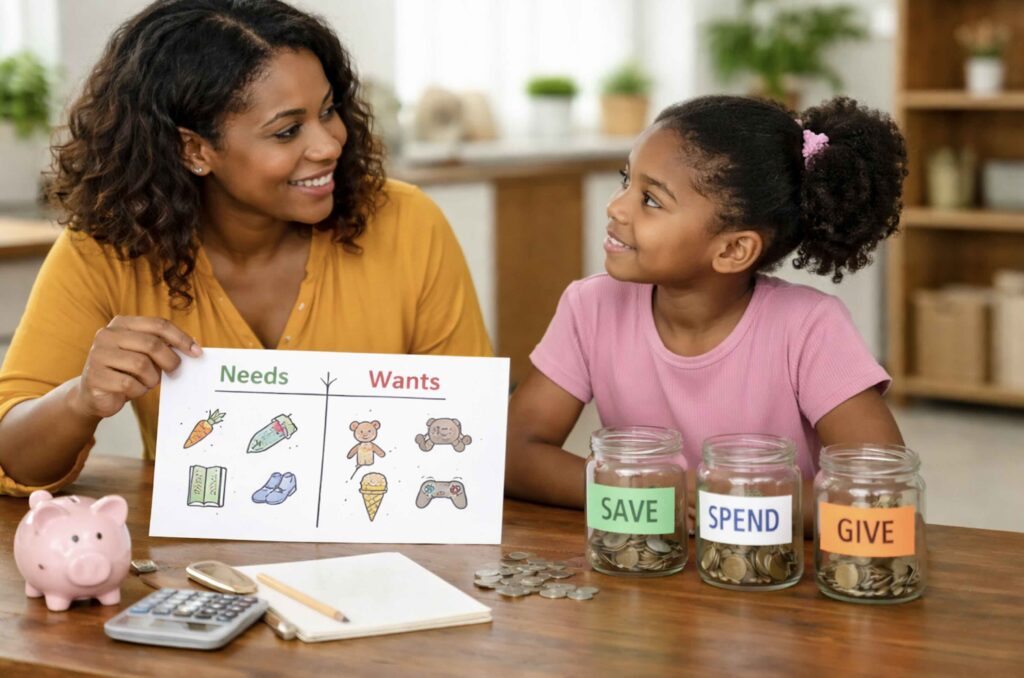
Budgeting involves planning how to spend money. Pupils can learn to divide their money into categories such as needs, wants, and savings. For example, they can decide how much to spend on snacks and how much to save. This helps them avoid overspending and manage their resources effectively.
3. Wise Spending
Pupils need to learn how to make smart spending decisions. This includes distinguishing between needs (essential items like food and school supplies) and wants (non-essential items like toys or sweets). Understanding this difference helps pupils prioritize their spending.
4. Goal Setting
Setting financial goals helps pupils stay focused and motivated. For instance, a pupil may decide to save money over several weeks to buy a desired item. This process teaches planning and delayed gratification.
5. Record Keeping
Keeping simple records of income and expenses helps pupils understand where their money goes. They can use a small notebook to track how much money they receive and how they spend it. This builds accountability and awareness.
The Role of Parents
Parents play a vital role in teaching practical money management skills. By giving pupils small amounts of pocket money and guiding them on how to use it, parents provide real-life learning opportunities. Parents can also encourage saving by helping pupils set goals and monitor their progress. Additionally, discussing financial decisions at home helps pupils learn through observation.
The Role of Schools
Schools also contribute to the development of money management skills. Teachers can introduce basic financial concepts through classroom activities, games, and simple exercises. For example, pupils can participate in mock budgeting activities or saving challenges. These practical approaches make learning engaging and help pupils apply financial concepts in real-life situations.
Benefits of Practical Money Management Skills
When pupils develop money management skills, they gain several benefits:
- Financial responsibility: They learn to manage money carefully.
- Improved decision-making: Pupils become more thoughtful about how they spend money.
- Independence: They gain confidence in handling their finances.
- Future readiness: Early financial skills prepare them for adulthood.
Final Thought
Practical money management skills are essential for pupils as they provide a foundation for responsible financial behavior. By learning how to save, budget, and spend wisely, pupils develop habits that can lead to financial stability in the future. Parents and schools must work together to ensure that pupils receive the guidance and opportunities needed to build these important skills. Early financial education is an investment in the future, helping pupils grow into financially responsible individuals.