No products in the cart.
Return To ShopLearning Financial Literacy Through Play

Financial literacy is the ability to understand and manage money wisely. It includes skills such as saving, budgeting, spending responsibly, and planning for future financial needs. Teaching financial literacy to children at an early age is important because it helps them develop good money habits that can benefit them throughout their lives. One of the most effective ways to teach children financial literacy is through play.
Children learn best when they are actively involved in fun and engaging activities. Learning through play allows children to understand financial concepts in a simple and enjoyable way. Games, role-playing activities, storytelling, and practical exercises help children develop money management skills without feeling pressured or bored.
Meaning of Learning Through Play
Learning through play is an educational approach that uses fun activities to teach important skills and concepts. It encourages children to explore, think creatively, solve problems, and interact with others while learning.
In financial literacy education, play-based learning helps children understand how money works through practical experiences. Instead of only listening to explanations, children participate in activities that allow them to practice saving, spending, budgeting, and making financial decisions.
Importance of Learning Financial Literacy Through Play
Teaching financial literacy through play is beneficial for several reasons.
1. Makes Learning Fun
Children are naturally attracted to games and playful activities. When financial lessons are presented in a fun way, children become more interested and motivated to learn about money management.
2. Improves Understanding
Play helps children understand difficult financial concepts more easily. For example, using toy money in games can help children learn how to count money, buy items, and calculate change.
3. Encourages Practical Learning
Through play, children can practice real-life financial situations. They learn how to make choices, solve problems, and understand the consequences of spending too much or failing to save.
4. Builds Decision-Making Skills
Many games require children to make decisions about spending or saving money. These activities help children develop critical thinking and responsible financial behavior.
5. Promotes Teamwork and Communication
Group games and activities encourage children to interact with others, discuss ideas, and work together. This improves communication and social skills while learning financial concepts.
Methods of Teaching Financial Literacy Through Play
1. Board Games
Board games that involve money transactions can teach children about saving, budgeting, and spending. Games such as buying and selling properties or managing resources help children understand financial responsibility.
2. Role-Playing Activities
Children can pretend to run shops, banks, or markets using toy money. Through these activities, they learn how buying, selling, and saving work in everyday life.
3. Storytelling
Stories about money management can teach children valuable lessons about saving, honesty, and responsible spending. Storytelling makes financial lessons easier to remember.
4. Educational Apps and Digital Games
Technology provides interactive financial literacy games that teach budgeting, saving, and money planning. These digital tools make learning more engaging for children.
5. Saving Challenges
Parents and teachers can organize saving competitions or reward systems that encourage children to save money regularly. This helps children develop discipline and patience.
The Role of Parents and Teachers
Parents and teachers play an important role in helping children learn financial literacy through play.
Parents
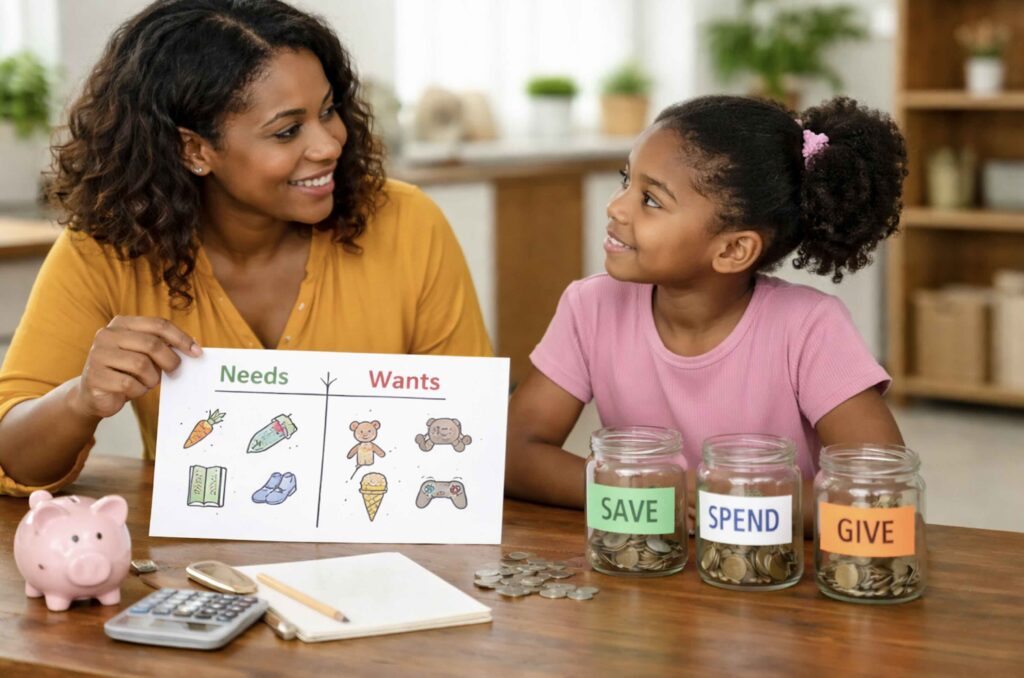
Parents can introduce simple money games at home, give children small allowances, and encourage saving habits. They can also involve children in basic shopping activities to teach price comparison and budgeting.
Teachers
Teachers can use classroom games, storytelling, and group activities to teach financial concepts. Schools can also organize financial literacy clubs or competitions to make learning enjoyable.
When parents and teachers work together, children receive consistent financial guidance both at home and in school.
Challenges of Teaching Financial Literacy Through Play
Despite its benefits, there are some challenges associated with teaching financial literacy through play.
- Some schools may lack educational materials and resources.
- Parents may not have enough financial knowledge to teach children effectively.
- Limited access to technology may affect the use of digital learning tools.
- Some children may focus more on the game than the lesson being taught.
However, with proper planning and supervision, these challenges can be reduced.
Benefits of Early Financial Education
Teaching children financial literacy through play has long-term advantages. Children who learn money management skills early are more likely to:
- Develop responsible spending habits
- Save money regularly
- Make wise financial decisions
- Become financially independent adults
- Avoid unnecessary debt in the future
Early financial education also promotes discipline, patience, and goal-setting skills.
Final Thoughts
Learning financial literacy through play is an effective and enjoyable method of teaching children important money management skills. Through games, storytelling, role-playing, and practical activities, children can learn how to save, spend wisely, and make responsible financial decisions. Parents and teachers should encourage play-based financial education because it helps children develop positive financial habits that can benefit them throughout their lives. By combining fun with learning, children can build a strong foundation for future financial success.