No products in the cart.
Return To ShopEarly Money Education and Investment Awareness

Money is an essential part of everyday life, and learning how to manage it effectively is a skill that should be developed from an early age. Early money education involves teaching children basic financial concepts such as earning, saving, spending, budgeting, and investing. Investment awareness, on the other hand, refers to understanding how money can grow over time through various investment opportunities. Together, early money education and investment awareness provide children with the foundation they need to make informed financial decisions throughout their lives.
Understanding Early Money Education
Early money education is the process of introducing children to financial concepts at a young age. It helps them understand the value of money and the importance of making wise financial choices. Children who receive financial education early are more likely to develop positive money habits, such as saving regularly and avoiding unnecessary spending.
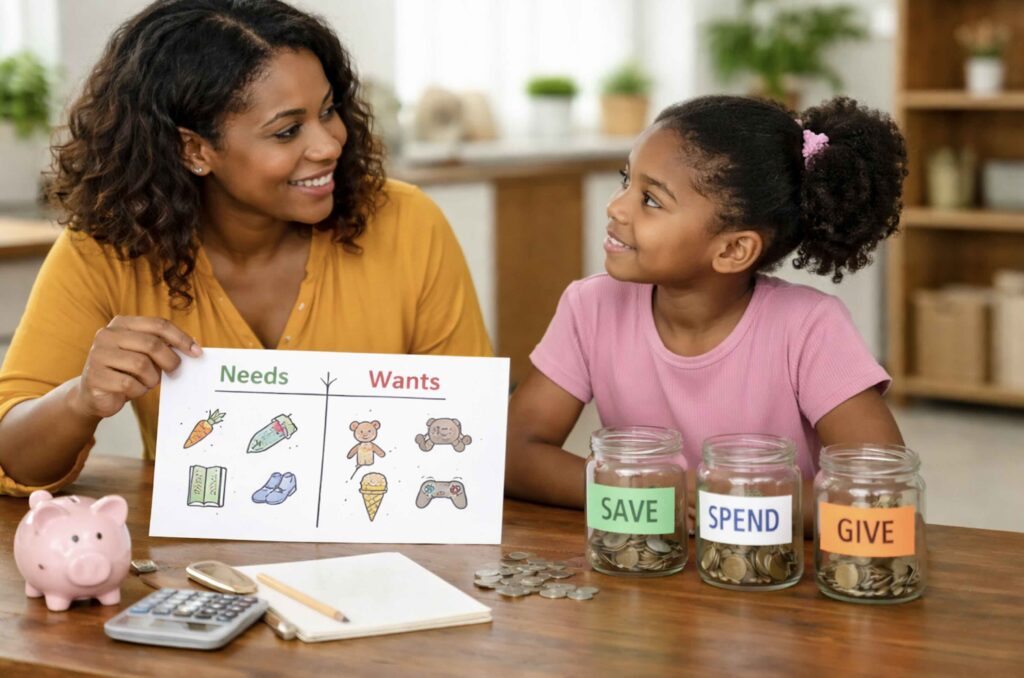
Teaching children about money can begin with simple lessons, including identifying different denominations of currency, understanding the difference between needs and wants, and learning how to save money for future goals. These lessons help children develop a healthy relationship with money and prepare them for more complex financial responsibilities in adulthood.
The Importance of Investment Awareness
Investment awareness is a crucial aspect of financial literacy. It involves understanding how money can be used to generate additional income or increase in value over time. While investment concepts may seem advanced for children, introducing basic ideas such as saving for future rewards and earning interest can help them appreciate the benefits of long-term financial planning.
Investment awareness encourages children to think beyond immediate spending and focus on future financial growth. It teaches patience, discipline, and the importance of making informed financial decisions. By learning about investments early, children become better equipped to build wealth and achieve financial security later in life.
Benefits of Early Money Education and Investment Awareness
Teaching children about money and investments offers numerous benefits. First, it helps them develop responsible spending habits. Children learn to distinguish between necessities and luxuries, which enables them to make smarter purchasing decisions.
Second, early financial education promotes saving behavior. Children who understand the importance of saving are more likely to set financial goals and work toward achieving them. This habit can continue into adulthood, leading to greater financial stability.
Third, investment awareness encourages long-term thinking. Rather than focusing solely on immediate gratification, children learn the value of delayed rewards and future planning. This mindset can positively influence many areas of their lives, including education, career development, and personal finances.
The Role of Parents in Financial Education
Parents play a significant role in teaching children about money and investments. Through everyday activities, parents can introduce financial concepts in practical and meaningful ways. Providing allowances, encouraging savings, and involving children in simple budgeting decisions can help them gain hands-on experience with money management.
Parents can also discuss financial goals with their children and explain the importance of saving for future needs. By modeling responsible financial behavior, parents set positive examples that children are likely to follow.
The Role of Schools in Promoting Financial Literacy
Schools are important partners in promoting financial literacy and investment awareness among children. By incorporating financial education into the curriculum, schools can ensure that students acquire essential money management skills.
Teachers can use interactive methods such as games, simulations, and classroom activities to teach financial concepts. These approaches make learning enjoyable and help students understand how financial principles apply to real-life situations. Financial education programs in schools can also help bridge knowledge gaps and prepare children for future financial responsibilities.
Strategies for Teaching Investment Awareness to Children
Teaching investment awareness to children should be age-appropriate and practical. One effective strategy is to explain the concept of growth using savings accounts or simple examples of money increasing over time. Parents and teachers can also encourage goal-setting activities that demonstrate the benefits of saving and investing for future rewards.
Using stories, illustrations, and real-life examples can make investment concepts easier for children to understand. Educational games and activities can further enhance learning by providing opportunities to practice financial decision-making in a safe environment.
Challenges to Early Money Education
Despite its importance, early money education faces several challenges. Many parents and educators may lack the knowledge or resources needed to teach financial concepts effectively. Additionally, financial education is not always included as a core subject in school curricula.
Another challenge is the increasing influence of consumer culture and advertising, which may encourage children to spend rather than save. Addressing these challenges requires collaboration among families, schools, communities, and policymakers to ensure that children receive adequate financial education.
The Long-Term Impact of Financial Literacy
Children who receive early money education and investment awareness training are more likely to become financially responsible adults. They tend to make better financial decisions, manage debt more effectively, and plan for future financial goals. Financial literacy also contributes to economic stability by helping individuals avoid financial mistakes and build sustainable wealth.
Furthermore, financially literate individuals are better prepared to navigate an increasingly complex financial environment. They are more confident in making decisions related to saving, investing, and managing their resources.
Final Thoughts
Early money education and investment awareness are essential components of a child’s overall development. By teaching children how money works and how investments can contribute to future financial growth, parents and educators can equip them with valuable life skills. These lessons foster responsible financial behaviour, encourage long-term planning, and promote financial independence. Investing in children’s financial education today helps create a generation of informed, confident, and financially responsible adults tomorrow.