No products in the cart.
Return To ShopChildren’s Awareness of the Value of Money

Money is an essential part of everyday life, influencing how people meet their needs, achieve their goals, and plan for the future. While adults often understand the importance of earning, saving, and spending wisely, children are still developing these concepts. Teaching children about the value of money from an early age helps them build responsible financial habits that can benefit them throughout their lives. When children understand that money is earned through effort and should be used wisely, they are more likely to become financially responsible adults.
Children’s awareness of the value of money does not happen automatically. It develops through everyday experiences, guidance from parents and teachers, and practical opportunities to make simple financial decisions. Whether receiving pocket money, buying school supplies, or saving for a favorite toy, children gradually learn how money works and why it should be managed carefully.
What Does the Value of Money Mean?
The value of money refers to understanding that money is a limited resource that must be earned, managed, and spent wisely. It also involves recognizing that every purchase has a cost and that making one financial choice may mean giving up another opportunity.
For children, understanding the value of money means learning that:
- Money is earned through work or productive activities.
- Not everything they want can be purchased immediately.
- Saving money helps them achieve future goals.
- Wise spending requires careful thinking and planning.
- Needs are generally more important than wants.
These lessons help children develop a realistic understanding of finances and encourage responsible behavior.
Why Children Should Learn the Value of Money Early
Early financial education provides children with essential life skills that extend beyond handling money. Learning the value of money at a young age encourages discipline, patience, responsibility, and thoughtful decision-making.
Children who understand financial concepts early are more likely to:
- Develop regular saving habits.
- Avoid impulsive spending.
- Appreciate the effort required to earn money.
- Make informed purchasing decisions.
- Build confidence in managing personal finances.
These habits lay the foundation for financial independence and stability later in life.
How Children Develop Awareness of the Value of Money
Children learn about money through observation, practice, and guidance. They often imitate the financial behaviors they see at home and in their communities. Giving children opportunities to make age-appropriate financial decisions helps reinforce important lessons.
Some common ways children develop money awareness include:
- Receiving a regular allowance or pocket money.
- Saving toward a personal goal.
- Participating in simple shopping activities.
- Comparing prices before making purchases.
- Discussing family budgeting in age-appropriate ways.
- Learning financial concepts in school.
Practical experiences help children understand that money should be used thoughtfully rather than carelessly.
The Role of Parents in Teaching the Value of Money
Parents are children’s first financial teachers. Through everyday interactions, they shape their children’s attitudes toward money and spending. Open conversations about finances, combined with positive financial habits, help children develop a healthy understanding of money.
Parents can encourage financial awareness by:
- Explaining how money is earned.
- Encouraging children to save part of their allowance.
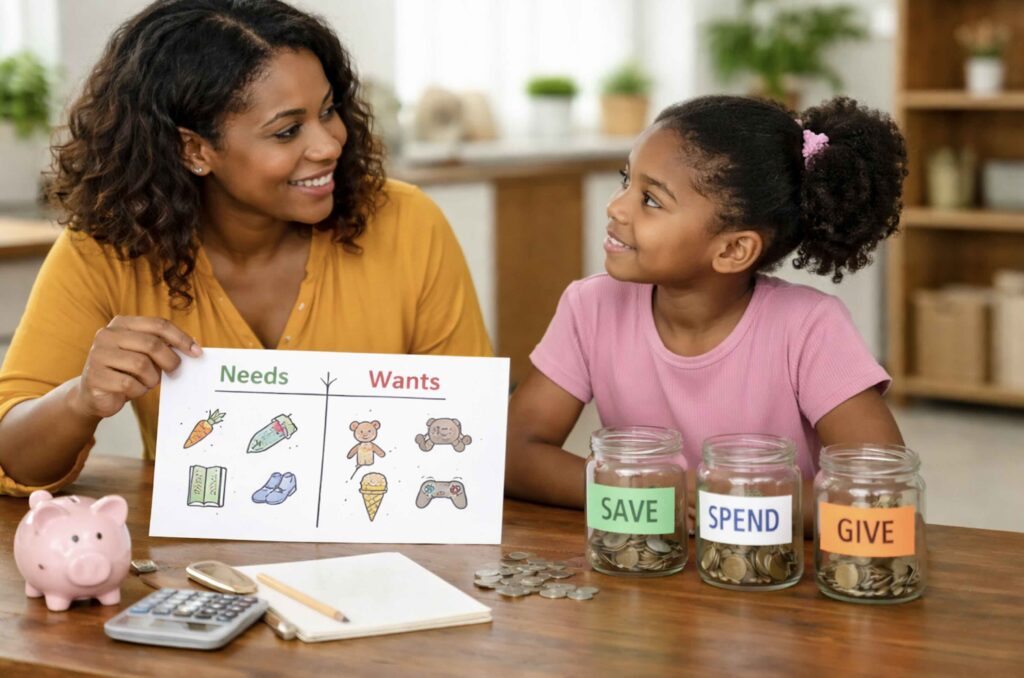
- Teaching the difference between needs and wants.
- Allowing children to make simple spending decisions.
- Demonstrating responsible budgeting at home.
- Praising wise financial choices instead of unnecessary spending.
Children often learn more from what they observe than from what they are told.
The Role of Schools in Financial Education
Schools also play an important role in increasing children’s awareness of the value of money. Financial education can be incorporated into classroom activities through mathematics, social studies, and practical exercises.
Teachers can help children by:
- Introducing basic budgeting activities.
- Using games that teach financial decision-making.
- Organizing classroom savings projects.
- Teaching the importance of planning before spending.
- Encouraging discussions about responsible financial behavior.
These activities make financial learning enjoyable while helping children develop practical money management skills.
Teaching Children the Difference Between Needs and Wants
One of the most important financial lessons for children is understanding the difference between needs and wants.
Needs are items that are necessary for healthy living and daily functioning, such as food, clothing, shelter, education, and healthcare.
Wants are things that improve comfort or provide enjoyment but are not essential, such as expensive toys, designer clothing, or the latest electronic gadgets.
Helping children distinguish between these two categories encourages them to prioritize spending and avoid unnecessary purchases.
The Importance of Saving
Saving is one of the strongest indicators that a child understands the value of money. When children learn to save, they develop patience, self-control, and goal-setting skills.
Simple saving activities may include:
- Using a piggy bank or savings box.
- Setting short-term savings goals.
- Tracking savings progress.
- Celebrating when financial goals are achieved.
These experiences teach children that delayed gratification often leads to greater rewards.
Challenges to Children’s Financial Awareness
Several factors can limit children’s understanding of the value of money. These include:
- Limited financial discussions at home.
- Excessive materialism promoted by advertising.
- Easy access to money without responsibility.
- Lack of financial education in schools.
- Peer pressure to purchase unnecessary items.
Recognizing these challenges allows parents and educators to provide better financial guidance.
Benefits of Understanding the Value of Money
Children who appreciate the value of money gain many lifelong advantages. These include:
- Better budgeting skills.
- Stronger saving habits.
- Responsible spending behavior.
- Improved financial decision-making.
- Greater confidence in handling money.
- Preparation for financial independence.
- Reduced likelihood of unnecessary debt in adulthood.
Financial awareness also encourages children to become thoughtful consumers and responsible members of society.
Practical Tips for Teaching Children About Money
Teaching financial literacy does not require complicated lessons. Everyday experiences provide valuable opportunities for learning.
Some practical tips include:
- Give children age-appropriate responsibilities involving money.
- Encourage saving before spending.
- Discuss financial decisions openly using simple language.
- Let children compare prices while shopping.
- Introduce basic budgeting activities.
- Reward responsible financial behavior rather than excessive spending.
- Encourage children to set financial goals and work toward achieving them.
Consistency and positive reinforcement help children build lasting financial habits.
Final Thought
Children’s awareness of the value of money is a critical foundation for lifelong financial well-being. By learning that money is earned, limited, and should be managed responsibly, children develop habits that promote saving, budgeting, and wise spending. Parents, teachers, and communities all play important roles in helping children understand these concepts through practical experiences and positive examples.
Investing time in teaching children about money today prepares them to become financially responsible adults who can make informed decisions, achieve personal goals, and contribute positively to society. Early financial education is not simply about managing money—it is about building confidence, responsibility, and lifelong financial success.