No products in the cart.
Return To ShopChildren’s Attitudes Toward Money

Children’s Attitudes Toward Money
Money is an important part of everyday life, and children begin forming opinions about it much earlier than many people realize. From receiving pocket money to observing how parents spend, save, or discuss finances, children gradually develop attitudes toward money that can influence their financial decisions throughout adulthood. These attitudes determine how children perceive the value of money, whether they choose to save or spend, and how responsibly they manage financial resources.
Developing healthy attitudes toward money during childhood is essential because financial habits formed at a young age often continue into adulthood. Children who learn to appreciate the value of money are more likely to become financially responsible adults who make informed decisions about spending, saving, and investing.
Understanding Children’s Attitudes Toward Money
Children’s attitudes toward money refer to the beliefs, feelings, and behaviours they develop regarding earning, spending, saving, and sharing money. These attitudes are shaped through daily experiences, family interactions, education, and exposure to society.
Some children view money as something to spend immediately, while others see it as a resource that should be carefully managed. These different perspectives often result from the financial lessons children receive from parents, teachers, and other influential people in their lives.
Why Children’s Attitudes Toward Money Matter
A child’s attitude toward money can have lasting effects on future financial well-being. Children who understand the importance of budgeting, saving, and responsible spending are better equipped to manage financial challenges later in life.
Positive financial attitudes help children:
- Develop self-discipline when making purchases.
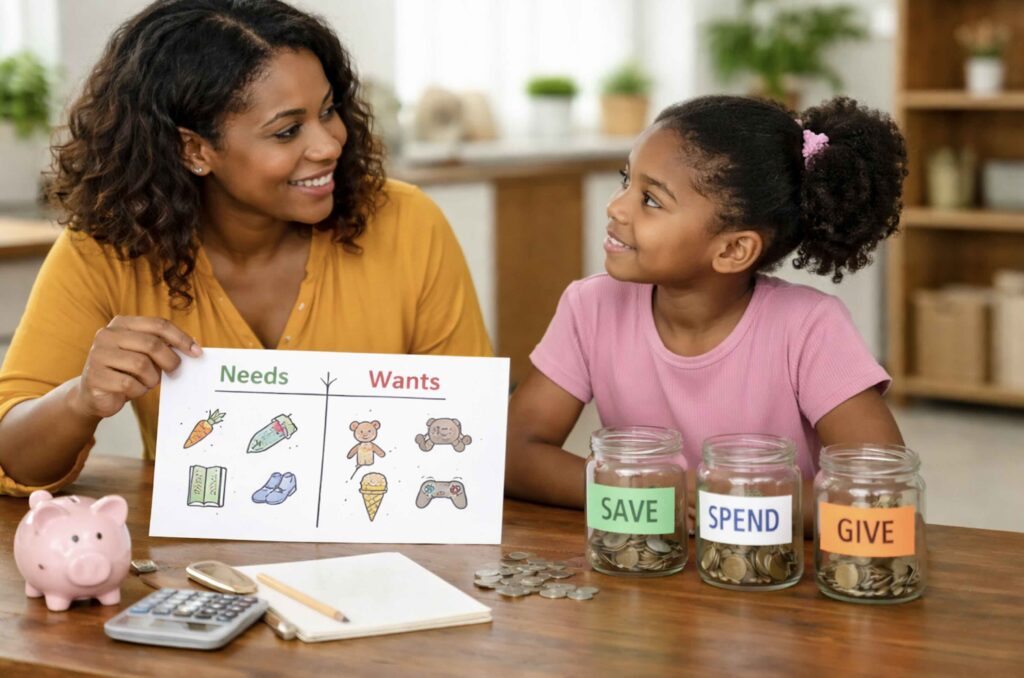
- Distinguish between needs and wants.
- Set realistic financial goals.
- Appreciate the importance of saving.
- Make thoughtful spending decisions.
- Become confident in managing money.
These skills contribute to financial independence and long-term financial stability.
Factors That Influence Children’s Attitudes Toward Money
Several factors contribute to the development of children’s financial attitudes.
Family Environment: Parents are children’s first financial teachers. The way parents discuss money, handle expenses, and demonstrate saving habits greatly influences children’s perceptions of money.
School Education: Schools introduce children to basic financial concepts through mathematics, social studies, entrepreneurship, and financial literacy programs. Practical classroom activities reinforce responsible money management.
Peer Influence: Friends and classmates can influence children’s spending habits and attitudes toward material possessions. Children often compare themselves with peers, which may affect their financial choices.
Media and Advertising: Television, social media, online games, and advertisements expose children to consumer culture, sometimes encouraging unnecessary spending or creating unrealistic expectations about money.
Personal Experiences: Receiving allowances, earning rewards, saving for desired items, or participating in small business activities help children develop practical financial understanding.
Positive Attitudes Toward Money
Positive financial attitudes encourage responsible behaviour and healthy financial habits. Children with positive attitudes toward money usually:
- Save regularly for future needs.
- Spend wisely after careful consideration.
- Understand the difference between needs and wants.
- Appreciate the value of hard work.
- Practice patience before making purchases.
- Share and give generously when appropriate.
- Respect the financial resources of others.
These behaviors build financial responsibility and prepare children for future financial success.
Negative Attitudes Toward Money
Negative attitudes toward money can lead to poor financial habits that become difficult to change later in life. Examples include:
- Spending money immediately without planning.
- Believing that happiness depends on owning expensive items.
- Ignoring the importance of saving.
- Feeling entitled to receive money without effort.
- Frequently making impulse purchases.
- Comparing possessions with friends and peers.
Early intervention through financial education can help children replace these attitudes with healthier financial behaviours.
The Role of Parents
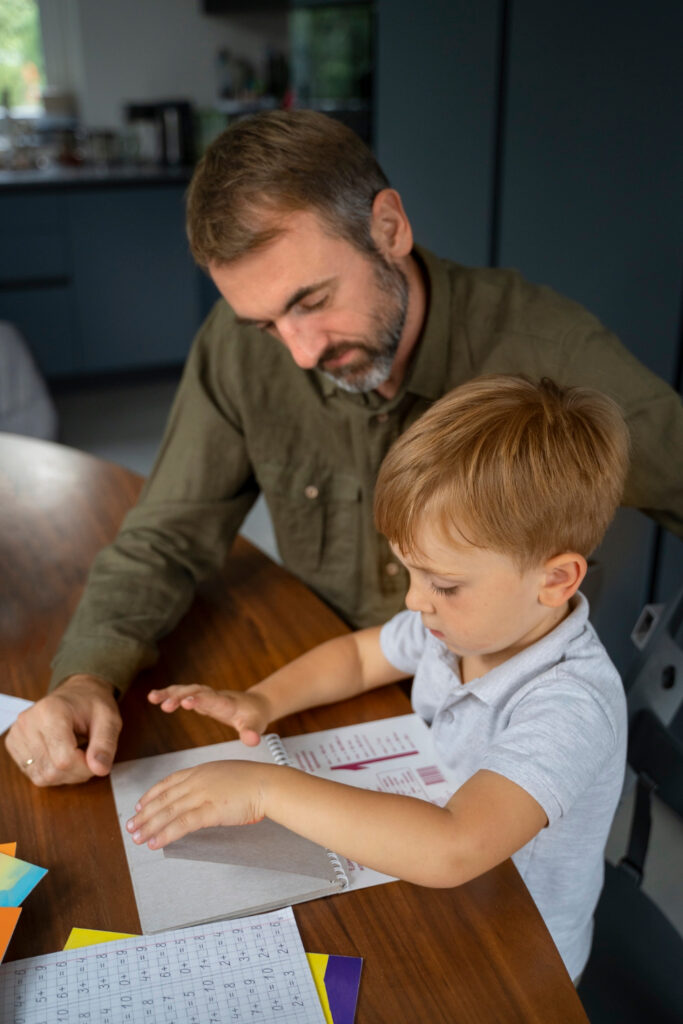
Parents have one of the greatest influences on children’s attitudes toward money. Everyday experiences provide valuable teaching opportunities.
Parents can encourage healthy attitudes by:
- Giving age-appropriate allowances.
- Encouraging children to save toward personal goals.
- Discussing simple household budgeting.
- Demonstrating responsible spending.
- Rewarding effort rather than unnecessary purchases.
- Involving children in simple financial decisions.
Children often imitate what they observe, making positive parental examples especially important.
The Role of Schools
Schools complement the efforts of parents by providing structured financial education. Teachers can introduce concepts such as saving, budgeting, goal setting, and responsible spending through interactive lessons.
Activities such as classroom stores, budgeting exercises, financial games, storytelling, and role-playing make learning enjoyable while helping children understand real-life financial situations.
Practical Ways to Build Healthy Financial Attitudes
Parents and educators can encourage positive attitudes toward money through practical activities, including:
- Encouraging regular saving.
- Teaching budgeting using pocket money.
- Setting achievable savings goals.
- Explaining the difference between needs and wants.
- Allowing children to make supervised financial decisions.
- Reading books about money management.
- Playing educational financial games.
- Praising responsible financial behaviour.
These activities make financial learning practical and enjoyable.
Benefits of Developing Positive Money Attitudes Early
Children who develop healthy attitudes toward money are more likely to:
- Become financially responsible adults.
- Avoid unnecessary debt.
- Save consistently.
- Make informed financial decisions.
- Build confidence in handling money.
- Plan for future goals.
- Develop discipline and patience.
- Contribute positively to their families and communities.
Early financial education creates a strong foundation for lifelong financial well-being.
Challenges in Teaching Positive Money Attitudes
Despite its importance, teaching children healthy financial attitudes can be challenging. Some families have limited opportunities to discuss finances, while others may lack access to financial education resources. Consumer advertising, peer pressure, and increasing exposure to digital spending also make it more difficult for children to develop responsible financial habits.
Addressing these challenges requires cooperation among parents, schools, communities, and policymakers to provide children with consistent financial guidance.
Final Thought
Children’s attitudes toward money play a significant role in shaping their future financial behaviour. Positive attitudes developed during childhood encourage saving, responsible spending, budgeting, and thoughtful financial decision-making. Parents, schools, and communities all share the responsibility of helping children build healthy relationships with money through education, practical experiences, and positive examples.
By teaching children to value money, distinguish between needs and wants, and make wise financial decisions, society can prepare the next generation for financial independence, stability, and long-term success.